Skip to content
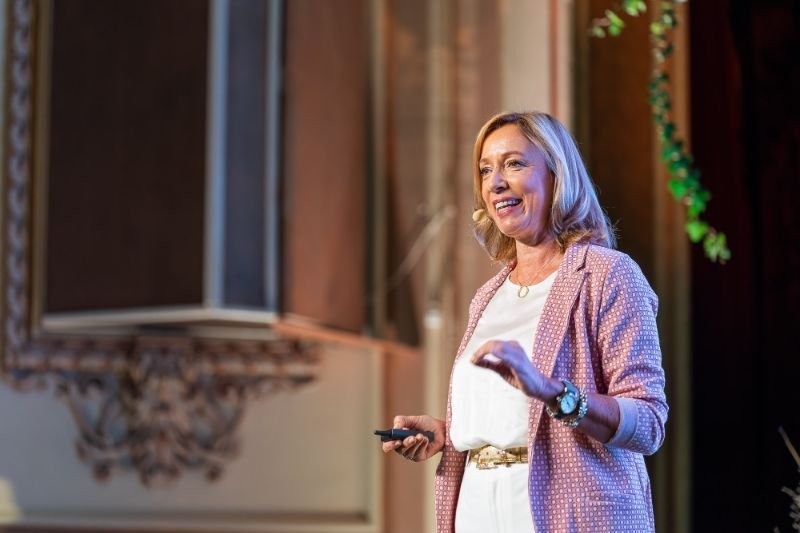
A smiling woman discusses systemic change in business on an elegant stage.

The transition from linear to circular. Through systemic change

What does systemic change mean and why is it needed to change the current business model.

6 December 2024 Teodora Ghenciu
The transition from linear to circular. Through systemic change

Systemic Change in Business

share

The transition from a linear economy to a circular economy involves a systemic change.

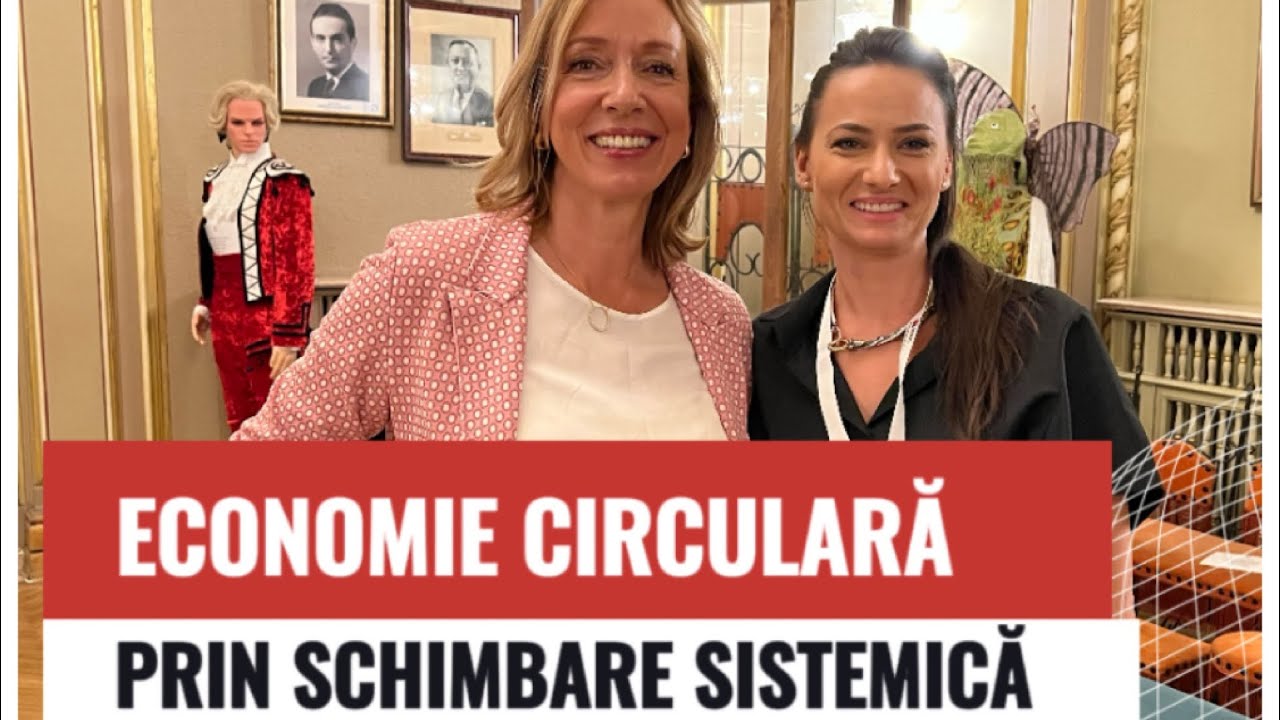
What each of these terms means, linear, circular, and systemic change, is explained to us by Ladeja Godina Kosir, a unique figure in the world of circular economy.

The circular economy is the key to sustainability. It involves transitioning from the current linear business model, where we produce, use, and dispose, to the circular one, based on reducing consumption, redesigning, reusing, repairing, refurbishing, and recycling.

To make this transition, however, system thinking is needed. What this systemic thinking is and how it works in reality, you will discover in this interview, where Ladeja Godina Kosir provides concrete examples from real life, as she works directly with several companies that have already made the change.

The interview was conducted at the Climate Change Summit, held in Bucharest in October 2024, where eEco was a media partner.

You can also see more concrete examples of businesses that have become circular in the video campaign A Second Life. Circular economy models.

Here are all the episodes:

Episode 1, about Waste: From waste to raw material through innovation

Episode 2, dedicated to Construction: Profit from rubble

Episode 3, dedicated to Packaging: Goodbye single-use packaging

Episode 4, dedicated to the Textile Industry: Better designed clothes, less discarded

Episode 5, about Sustainable Agriculture: Hemp, a strategic crop

Episode 6, about Electrical and Electronic Equipment: The new eco design

Episode 7, about Wastewater: Gold from sewage

Episode 8, about the Food Industry: Food saved from waste

Frequently Asked Questions

What is the difference between a linear economy and a circular economy?

A linear economy follows a 'take, make, dispose' model, focusing on producing and discarding goods. In contrast, a circular economy emphasizes reducing consumption and reusing materials, aiming to minimize waste and extend the lifecycle of products.

How does systemic change contribute to the circular economy?

Systemic change involves rethinking and redesigning processes across various sectors to support sustainability. It requires collaboration among businesses, governments, and communities to implement practices that promote recycling, reusing, and reducing waste.

What are some examples of circular economy practices?

Examples include redesigning products for longevity, reusing materials, and recycling waste into new raw materials. Businesses are also innovating in areas like sustainable agriculture and eco-friendly packaging to align with circular economy principles.

Who is Ladeja Godina Kosir and what is her role in the circular economy?

Ladeja Godina Kosir is a prominent figure in the circular economy, known for her work in promoting sustainable practices. She collaborates with various companies to help them transition from linear to circular business models, providing practical examples and insights.

What is the significance of the Climate Change Summit in Bucharest?

The Climate Change Summit in Bucharest serves as a platform for discussing sustainability and climate action. It brings together experts like Ladeja Godina Kosir to share knowledge on transitioning to a circular economy and highlights innovative practices from various industries.

Subscribe to our newsletter

Be the first to learn about the latest sustainability news