Waste management
This category includes information on effective waste management and recycling practices.


Green Providers
See all (21)
Environ
The Environ Association is a non-governmental and non-profit organization, established in 2007. Our objective is to take on the responsibility of producers and importers of electrical and electronic equipment by collecting and recycling these products at the end of their life cycle.

FEPRA
FEPRA EPR SA is a company dedicated to taking on the responsibility of producers and importers who place packaging and packaging waste on the Romanian market, in order to fulfill their legal recycling and recovery obligations. The extended producer responsibility system is how Romania aims to achieve the country targets assumed by signing the accession treaty. Encouraging this system by creating an adequate legal framework is a necessity at this moment, and one of FEPRA EPR SA's objectives is to actively participate in measures to improve the system.
PermaCultura SRL
Consultancy, educational training, event organization, low-tech infrastructure development for companies, NGOs, public and private organizations, communities and proximity micro-communities for: -applied sustainability, deep ecology -RRR systems, zero-waste, composting -permaculture, community gardens.

ECOTIC BAT
ECOTIC BAT is an organization established in 2011 to manage responsibilities on behalf of producers of batteries and accumulators and to efficiently organize a component complementary to ECOTIC's core activity: the collection and recycling of portable and industrial waste batteries and accumulators.

ACADEMIA DE COMPOST
We promote local (in-situ) community composting to divert biowaste from landfills, restore gardens, and raise awareness in communities.
Sigad
SIGAD helps companies digitalize and automate the processes of managing, calculating, and accurately reporting data to all environmental agencies in Romania and beyond. SIGAD experts bring vast experience gained from complex projects in a multitude of key industries in Romania, thus ensuring quality.

Genesis Biopartner
Genesis Biopartner demonstrates how innovative organic biomass management can have a significant impact on reducing CO2 emissions and preserving the environment. The company contributes to global efforts to combat climate change and protect the environment for future generations.

Atelierul REDU
The workshop that transforms waste into resourcesREDU is the first social enterprise in Romania that systematically and entrepreneurially addresses the creative reduction of textile waste.REDU's interest in developing an economic activity with a triple bottom line approach (people, planet, profit prioritizing this order) lies in the recognition that, to build societal trust and inspire behavioral change, we need a proactive rather than reactive attitude, as well as the ability to prove that another world is possible.Our products are more than just clothing items or accessories; they are the result of a creative transformation of post-industrial and post-consumer textile waste.Redu emphasizes innovation and design, demonstrating that sustainable fashion can be just as attractive and functional as conventional fashion.Textile waste is a resource.Each REDU item carries the mark of creativity and commitment to a better future.
Articles
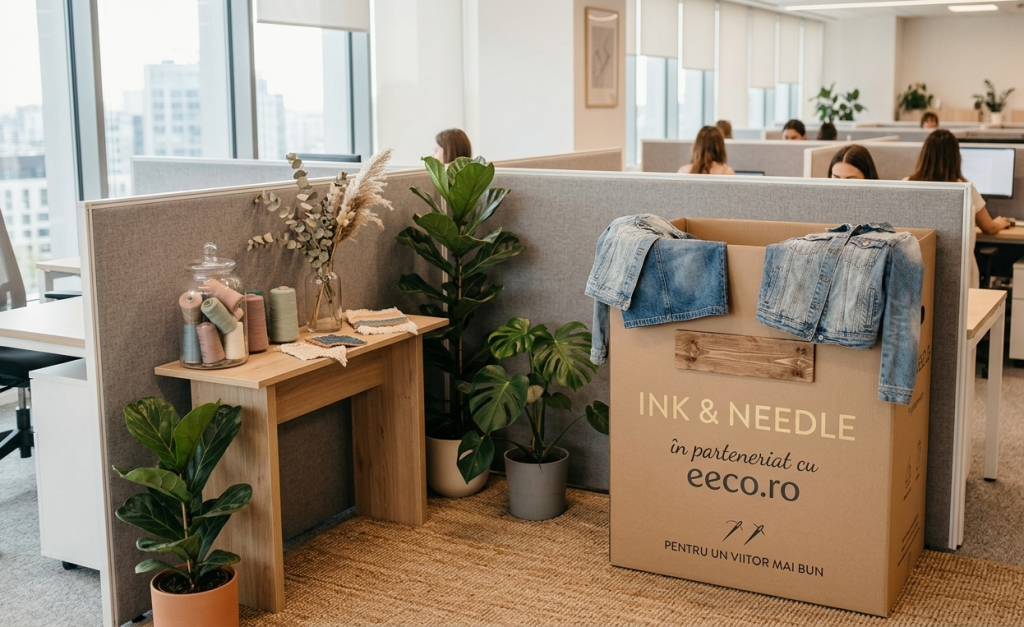
What does a "Circular Economy at the Office" guide look like (and how to engage your team)
When we talk about sustainability in the workplace, the temptation is to think of complex reports, board-established indicators, or major investments in green technologies. However, a true CSR strategy lives through people and their daily habits.

"Mountain of Clothes" in Romania is Growing. Textile collection exists on paper, but reuse and recycling are the exceptions.
The Recycling Map and the Ecoteca association have created a Diagnosis of textile waste management in Romania, which analyzes how the infrastructure has been implemented - one year after the introduction of the mandatory separate collection of textiles - in most cities across the country.
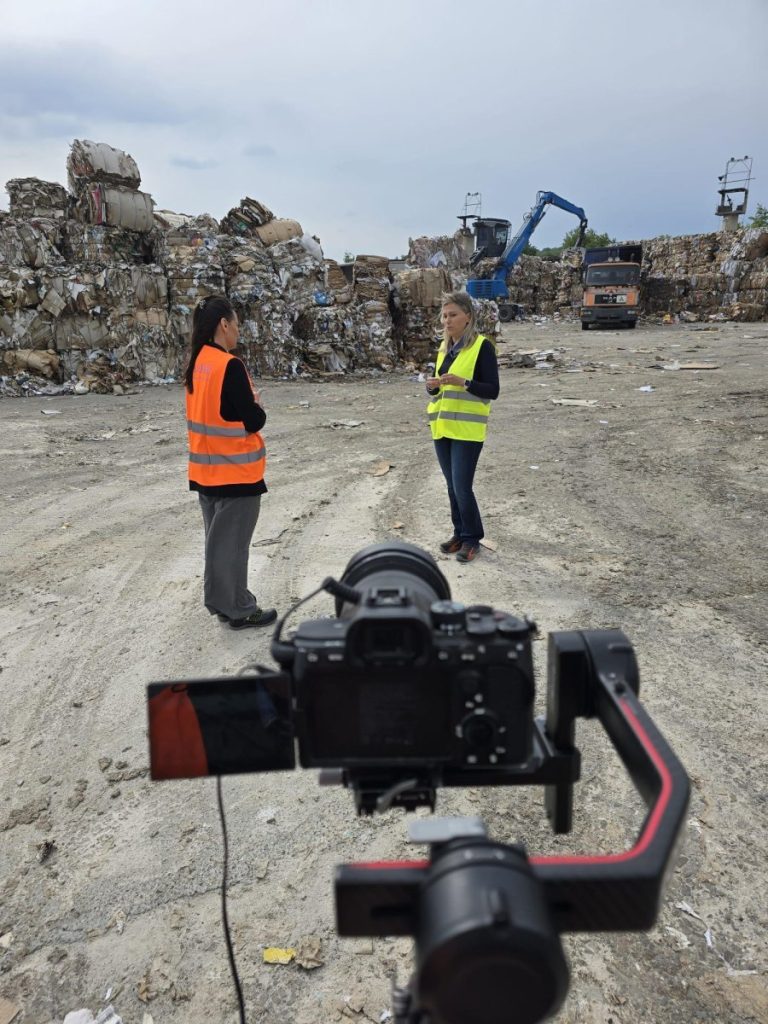
The campaign A Second Life has reached over 1 million people.
Sustainability and Profit. Success stories told through video storytelling.

We collect too little, we throw away too much: why Romania can't recycle its clothes
Starting January 1, 2025, Romania is, at least theoretically, obliged to separately collect textile waste. But in the absence of a real infrastructure and a national monitoring, collection, and reporting system, this obligation risks becoming a formality, with no impact on the environment or how we treat used clothes.
 Video
Video
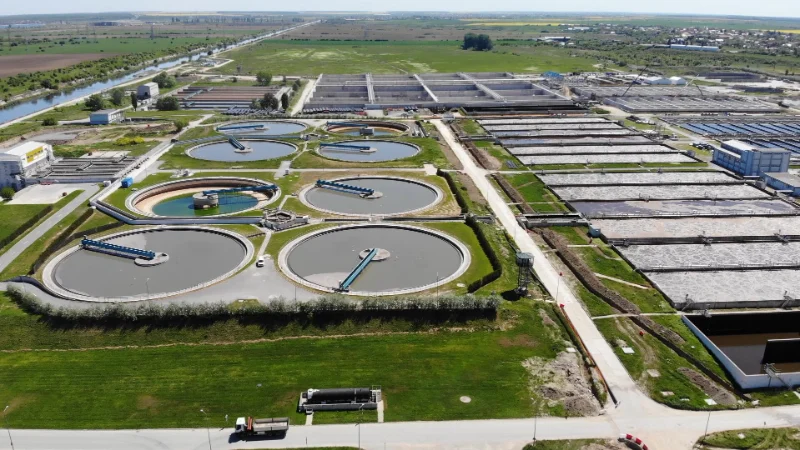
Gold in the Sewage
How to make biogas and fertilizer for agriculture from sewage sludge.
 Video
Video
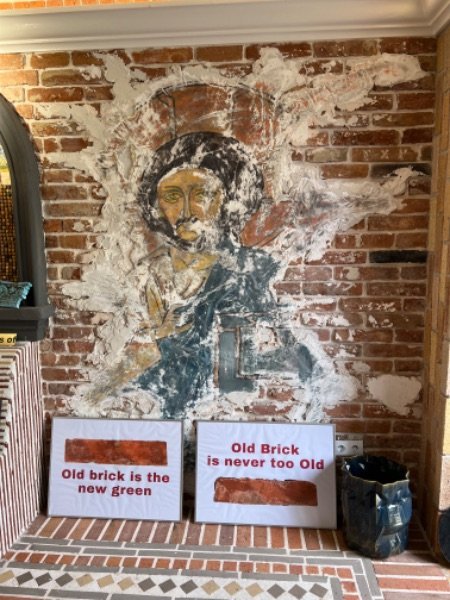
Profit from rubble
Bricks salvaged from demolitions, transformed into raw material. Episode 2 of the campaign "A Second Life. Models of Circular Economy."
 Video
Video
We save the forest with refurbished furniture
An NGO in Bacau recovers broken chairs and transforms them into works of art. Chairs suitable for restaurants, hotels, or home use.
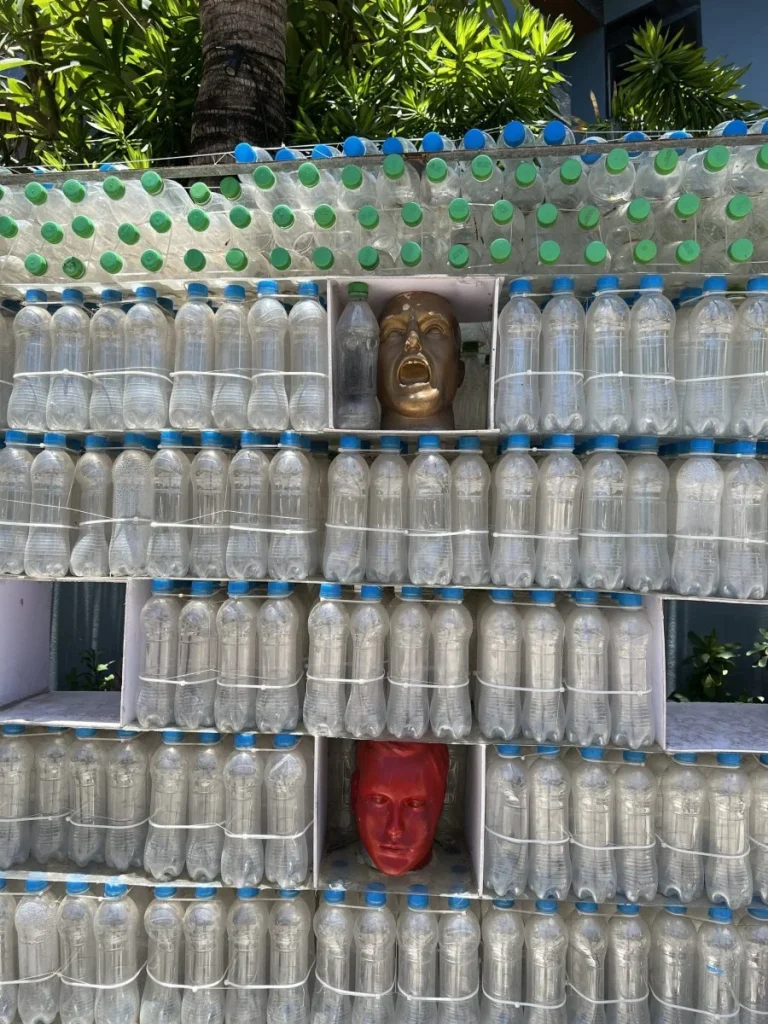
How to get rid of plastic - The Zero Waste Solution
What is Zero Waste really? And how can this solution be scaled from an individual level to communities, buildings, cities, businesses, and even society?