Refurbished Chairs in Nature
What can we do with old chairs? Designer, unique, new furniture.
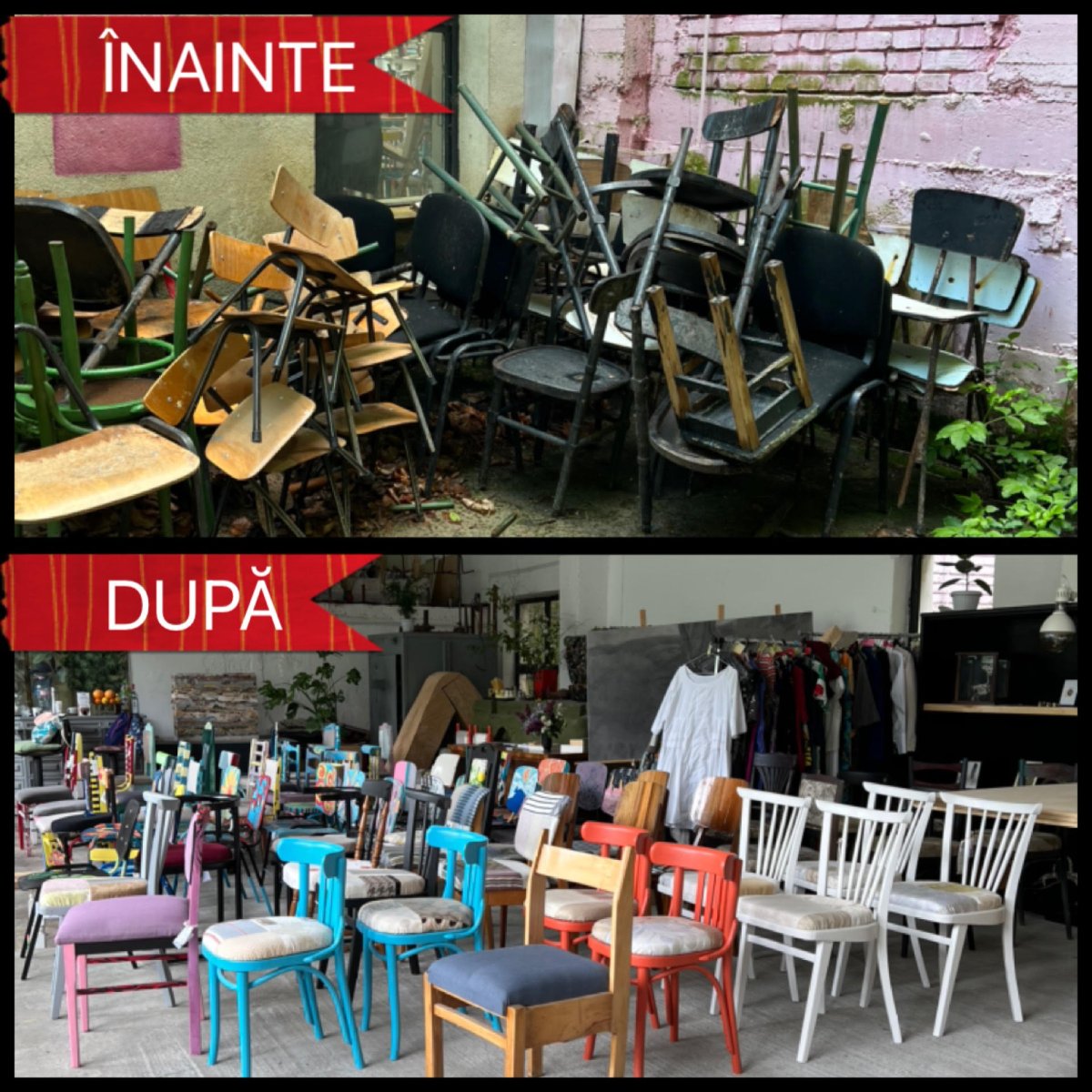
An NGO from Slănic-Moldova, Asociația de Artă În Context, recovers chairs seemingly "good for the garbage" and transforms them into works of art. Chairs suitable for a hotel reception, a cafe, a chic restaurant, or for home use.
Their motivation? They simply understand climate change and the urgency with which we must act on all fronts, including furniture. Why cut virgin wood from forests? Why bring furniture from thousands of miles away? When we can buy handmade furniture, made in Romania, by artists eager to contribute to the transition to a circular economy.
Why should HORECA buy refurbished chairs?
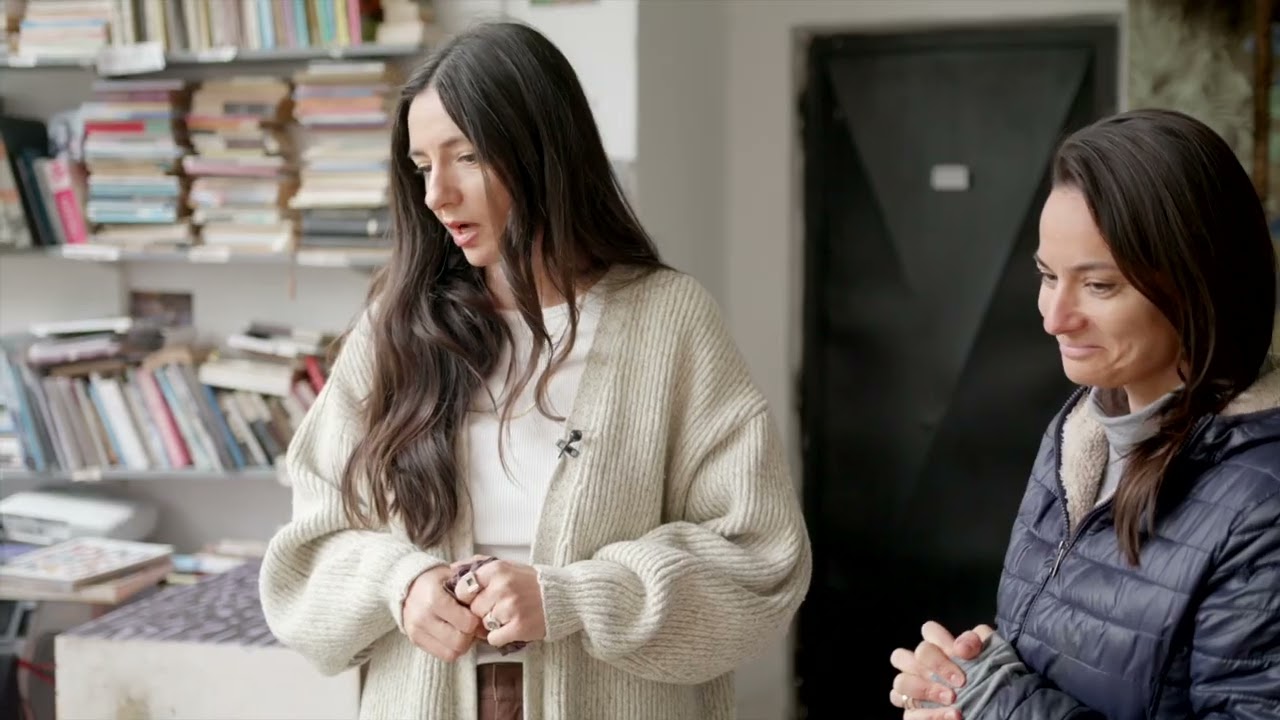
I asked the NGO's founder, Alina Georgiana Teodorescu, this question. Here's her answer:
"There are many reasons, but I'll start by appealing to the support of a local initiative, which is essential for the country's sustainable development.
I will appeal to the understanding of the architecture-design specialized segment, the idea of concept, craftsmanship, unique pieces, eco-responsible pieces.
For us to align with European ecological transition requirements and achieve the goals imposed by the Paris Agreement, we need to work on education. We are a small cell in this transition. We do this work independently, and by purchasing our products, you support education, you support the diversion, the reduction of quantities deposited in landfills, you support the social aspect, the development of a locality and a region, you support creativity, because we put our creativity at the service of sustainability."
The refurbished chairs are handmade, painted, artistically crafted, some of them veritable works of art. But, like any handmade object, they are not perfect, like mass-produced ones. However, artists don't even aim for them to be, as Alina Teodorescu explains:
"I believe that these elements of imperfection, firstly, fit into the Japanese wabi-sabi current, which encourages us to see perfection in imperfection, but secondly, they convey a story. And they convey the fact that someone cares about more than this polished facade of the times we live in, which can no longer continue in the style they have developed over the last 20-30 years.
We had quality and finish standards that led us to an approach of infinite consumption of the planet's finite resources.
and I believe that this style can no longer continue. And then we need to be more indulgent and think that functionality precedes form, as the designers and architects of Bauhaus said, but together they should be subordinate to ethics. Because ethics is what needs to be brought back into discussions these days.
And then functionality and form should follow ethics, which should be paramount. And when we talk about ethics, we talk about ethics at the level of resources, of the planet, we talk about the communities that produce them, about the way people who make the furniture pieces are remunerated or the conditions in which they work, the way they are transported and the impact of their transport. Italy has the best factories in the world and has always had them, but transportation will no longer be able to continue like this. Materials from China will no longer be able to come in the years that follow at the same costs they did, because now we are truly aware of the impact these transports have."
Transportation is responsible for 16% of greenhouse gas emissions.
La Centrala, the brand proposed by the NGO for recycled furniture, is an eEco.ro supplier, because it helps individuals to shop responsibly, and companies to make sustainable purchases.
The ecological transition can begin with green purchases of reconditioned furniture. Like the chairs from Slănic-Moldova.