Systemic Change in Business
The transition from a linear economy to a circular economy implies a systemic change.
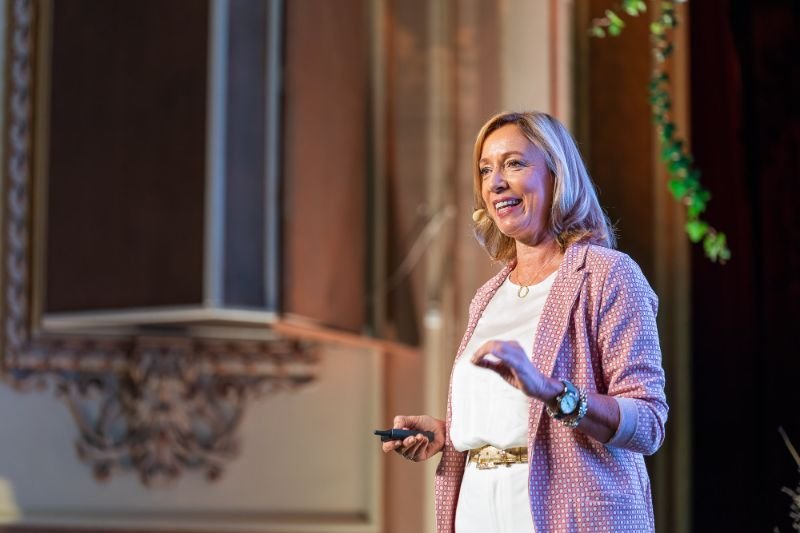
Ladeja Godina Kosir, a unique figure in the world of the circular economy, explains what each of these terms means: linear, circular, and systemic change.
The circular economy is the key to sustainability. It involves the transition from the current linear business model, where we produce, use, and discard, to a circular one, based on reducing consumption, rethinking design, reusing, repairing, refurbishing, and recycling.
However, making this transition requires system thinking. What is this systemic thinking and how does it work in reality? Find out in this interview, where Ladeja Godina Kosir provides concrete, real-life examples, as she works directly with several companies that have already made the change.
The interview was conducted at the Climate Change Summit, held in Bucharest in October 2024, where eEco was a media partner.
More concrete examples of businesses that have become circular can also be seen in the video campaign "Second Life. Circular Economy Models."
Here are all the episodes:
Episode 1, on Waste: From Waste to Raw Material, Through Innovation
Episode 2, dedicated to Construction: Profit from Rubble
Episode 3, dedicated to Packaging: Goodbye Single-Use Packaging
Episode 4, dedicated to the Textile Industry: Better Designed Clothes, Less Discarded
Episode 5, on Sustainable Agriculture: Hemp, a Strategic Crop
Episode 6, on Electrical and Electronic Equipment: The New Eco Design
Episode 7, on Wastewater: Gold from the Sewerage
Episode 8, on the Food Industry: Food Saved from Waste