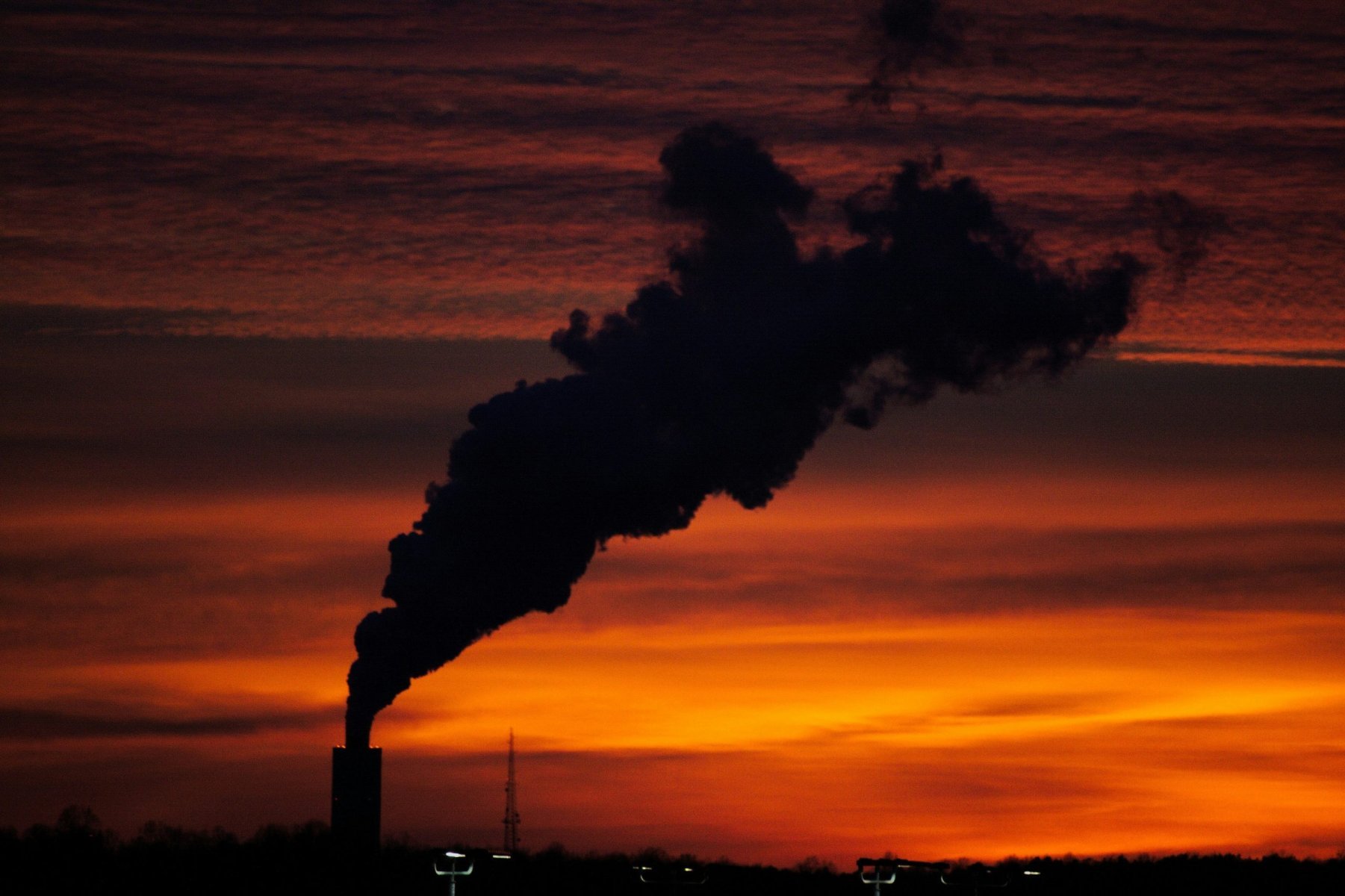
Smoke from a smokestack at sunset
Education can indeed save the world. Especially, education about our environmental footprint.
I've always been passionate about education – for people of all ages. I grew up with the conviction that education can save the world. Every time I opened a book, I also opened mental horizons I didn't even know I had. I remember a moment in middle school, during history class. The teacher was telling us about the Middle Ages and how, back then, people believed the world ended at the horizon – meaning, at the edge of their village. Only those who educated themselves had the courage to leave the village, searching for new places and people. That idea profoundly shaped my attitude towards education. I couldn't imagine living my whole life in one place, without opening my mind, without wanting to see what was beyond. That's when I decided: education would save my world. And beauty, as Dostoevsky said, but also education.
Today we live in different times, but the need for education about truly important things remains just as valid – perhaps even more urgent than ever. For example, when I started exploring the topic of carbon footprint in Romania, I realized that most people don't know what it means. Not because they don't care, but because, often, they haven't yet become aware of the impact they have on the environment. And information about greenhouse gas emissions – if it existed – hasn't been presented in a clear, coherent, meaningful way. It's a relatively new topic, a challenge of our times, that requires time, explanations, and especially, openness.
We see nothing on television about our impact on the environment. We don't have advertisements that talk about a healthy lifestyle and the environment in a single sentence. No posters at bus stops about air quality, even though that bus contributes directly to emissions. But also to their reduction, if it's an alternative to a personal car.
A child who grows up in an environment where respect for nature is modeled through education will reproduce that behavior. And if they ask "why?" five times, they will receive logical answers – because the adults around them will have educated themselves, precisely to be able to answer. Simple, but meaningful answers:
"We ride bikes to save time and smell the flowers in the city."
Or "We eat healthy to think better."
Or "We respect traffic rules because we want to live in harmony with ourselves and with others."
In schools, there's still too little talk about sustainability. And in the business environment, the topic is often treated as a nice-to-have, not a priority. We await legislation to mandate these things, so they finally become a must-have – but it's not about ticking a box, it's about understanding that it's no longer just an optional topic. It's about survival.
So I wondered: where do people learn about these things? After all, companies are made up of people who, individually, get their information from somewhere. How can they grow mentally? It's an essential topic nowadays, because we're getting hotter and hotter year by year. And this warming comes from the accumulation of greenhouse gases – which are largely generated by our daily behaviors, whether we are individuals or companies.
After hundreds of conversations about carbon footprint – at conferences, talking to Uber drivers, on the street, with friends, family, on social media, and in business environments – I realized that sustainability, as part of everyday life, is still misunderstood in Romania. Often, the reactions are: frowns, embarrassed smiles, or most often, that classic "Leave me alone with that..." Some even come from educated people, business leaders, or professionals from large companies.
I believe that temperatures of over 40°C in Bucharest and air quality up to 400% worse than WHO recommended standards are clear signs that it's time to seriously invest in education about our footprint, sustainability in daily actions – for us and for our children. Air, water, and food are not "separate topics" – they are part of the more than 30 thousand decisions we make daily.
That's precisely why these aspects must be integrated into our mental growth, regardless of age. It's an opportunity to make a difference through environmentally friendly actions that improve the quality of our current and future lives.
Soon I will launch a Masterclass material, in which I talk about how nature works with us and our businesses, and also about what we can concretely do to change something for the better, for us and our children.
Because yes, education can indeed save the world.
And awareness of the footprint we leave with every action is the first step towards changing a behavior, making a better choice – and, perhaps, breathing cleaner air in the coming summer.
Photo credit: unsplash.com/@jothamsutharson