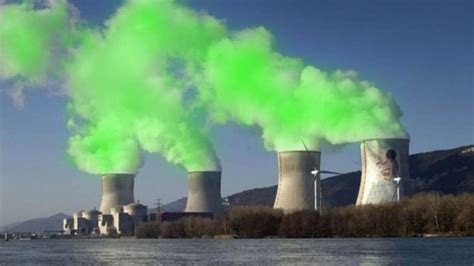
Greenwashing means presenting a product, service or company as more environmentally friendly than it really is. The word comes from English and blends "green" with "whitewashing" (covering something up). In practice, it is a form of misleading marketing: a green message that sounds good, with no data to back it up.
You can spot it by vague words on the label ("eco", "natural", "planet-friendly"), by logos that look like a certification without being one, or by a minor detail pushed to the front to cover the rest.
Example: a detergent bottle shows a green leaf and the words "eco formula". The only reason is the cap, made partly from recycled plastic. The rest of the product hasn't changed.
From 27 September 2026, Directive (EU) 2024/825 applies across the European Union and bans generic environmental claims that can't be substantiated.
You'll find the topic in depth, with examples from Romania, in our interview Everything you need to know about greenwashing. To tell a serious label from a made-up one, see also What are eco-certifications.