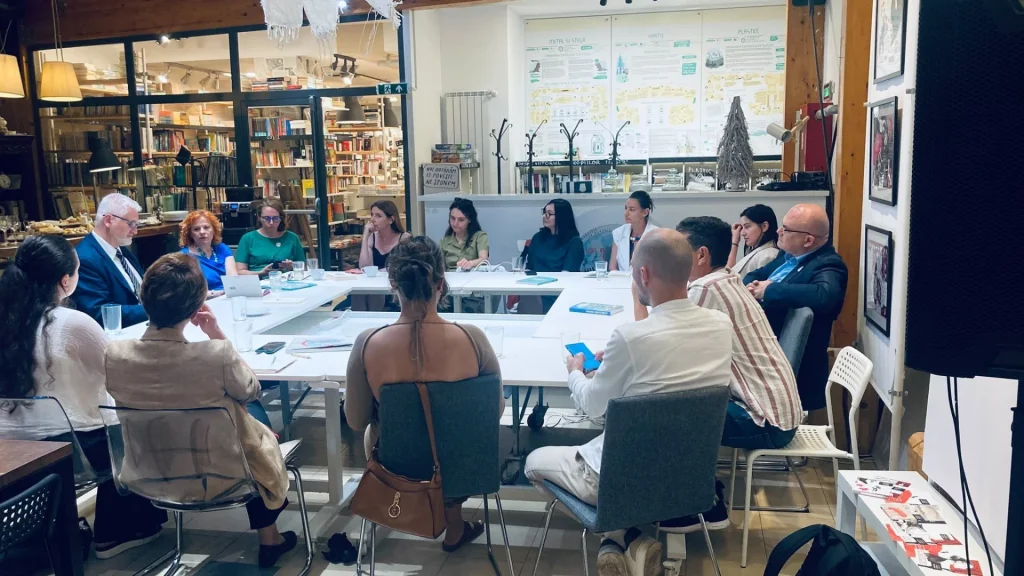
Discussion on Food Donation
Every day in Romania, 6,000 tons of good consumable food ends up in the trash. 60% of this amount comes from the industry. Producers, distributors, retailers, everyone involved in the supply and processing chain.
However, there are solutions to avoid this waste. The most effective and impactful is food donation.
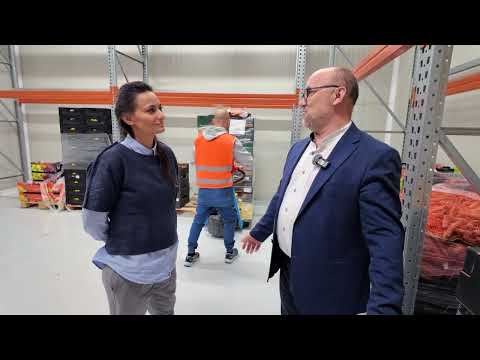
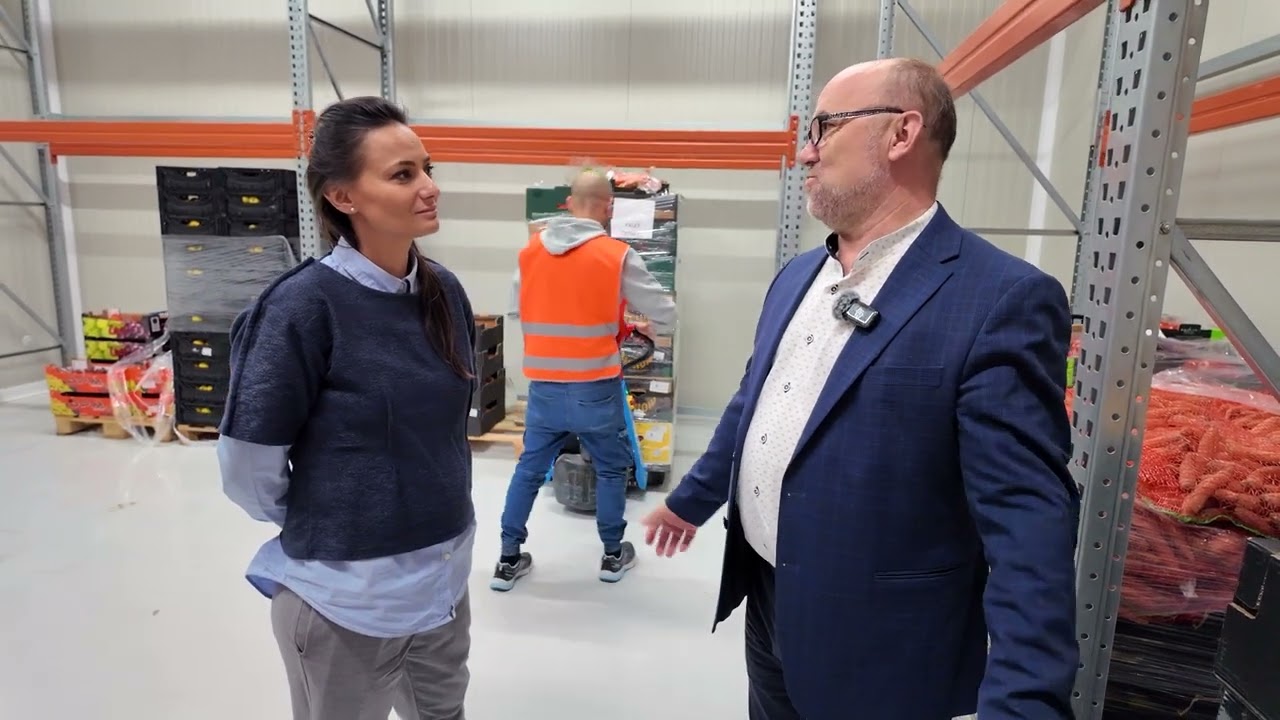
Macromex is a company that has been operating for 30 years as a distributor in the frozen and refrigerated industry, which started donating food four years ago. In this time, it has saved 3,000 portions of food from destruction. These are good consumable products but are nearing their expiration date, which is why stores no longer accept them. Therefore, they can no longer be sold.
Roxana Maxim, a manager within the company, explains how the products to be donated are selected: "Since we live in the digital age, the system helps us identify products with a short shelf life and know them in real-time. There is a report that makes a proposal for products with a short shelf life, a proposal accessed by our colleagues who handle donations, who decide which products and to which beneficiary they should go, and then we, the warehouse, prepare and deliver it to partners." One of the partners is Food Bank, an association that takes the food, brings it to its own warehouse, and from there, distributes it to another 165 partner NGOs. These, in turn, pass on the packages to their own beneficiaries, children, the elderly, vulnerable people, for whom food is often a challenge.
Since 2017, when this association was founded, until now, the Food Bank has saved 18,000 tons of food and fed over 200,000 needy people.
"Any product donation is a gain for the company"
But beyond helping people in need, food donation is also an opportunity for companies in the industry to get rid of the costs of destroying products.
"When you throw away, you have purchased a product, you have paid, you pay again a fee for destruction. The more expensive or select the product, the higher those fees are. Because it's one thing to throw away bread and another to throw away meat. So any product donation is a gain for the company. Because when you have donated, you have gotten rid of any fee you had in the destruction area. If you have donated the products and can do it as sponsorship, you deduct their entire value through the sponsorship contract. If you give them under the food waste law, you immediately deduct the VAT because you have not carried out a commercial activity. You can put the value of the products as an expense in the company's budget and have some advantages," Gabriel Sescu, president of the Food Bank, told us.
Although there is still much to be resolved legislatively to stop food waste, even with the current laws, there are already three ways companies can donate food:
-
- Through product sponsorship, for companies that pay profit tax. The value of the products must not exceed 20% of the tax.
Through donation based on the food waste law, for products that expire in a few days.
Through simple donation, for products not exceeding 5,000 euros. The easiest option, with the least bureaucracy.
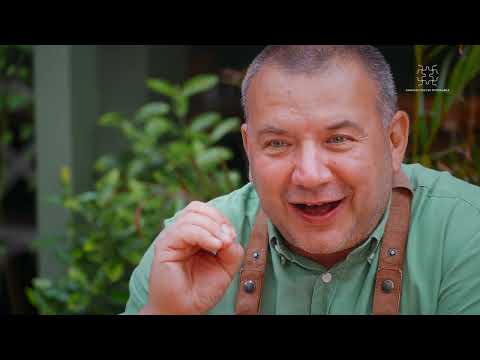
A film showing how this donation system works and how food can be recovered, at 12:00 on any given day, and by evening, at 19:00, become dinner for some poor children, can be seen in episode 8 of the campaign "Second Life. Models of Circular Economy."
The campaign is initiated by Association Sustainable Solutions, with the support of Stratos and Eco Synergy, aiming to inspire the business environment to transition from a linear business model to a circular one, as quickly and easily as possible.
Here you can watch episode 1, about Waste: From Waste to Raw Material, through Innovation
Here you can see episode 2, dedicated to Construction: Profit from Rubble
Here, episode 3, dedicated to Packaging: Goodbye Single-Use Packaging
Here, episode 4, dedicated to the Textile Industry: Better Designed Clothes, Less Thrown Away
Here, episode 5, about Sustainable Agriculture: Hemp, a Strategic Crop
Here, episode 6, about Electrical and Electronic Equipment: The New Eco Design
Here, episode 7, about Wastewater: Gold from Sewage