
Salvaged and Reused Bricks
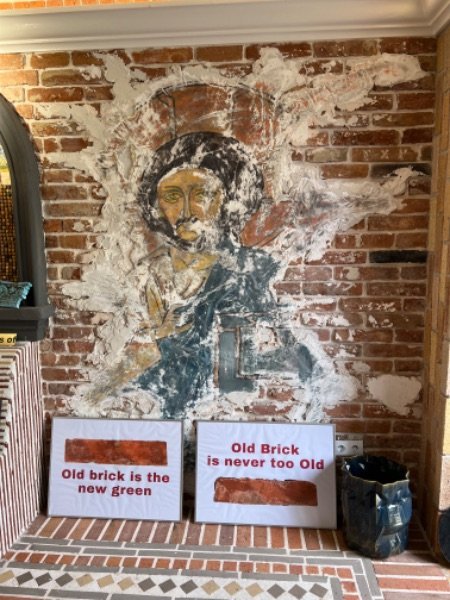
2 million bricks are saved today from landfills or fields because a Transylvanian man, passionate about art and beauty, at one point also fell in love with old bricks.
Codruț Girboan, by name, set out to make a business out of recovering bricks from demolition debris. He cuts them, washes them, processes them, and transforms them into raw material for building facades.
Demolition companies quickly understood the business model and, especially, the profit they could gain. Instead of taking the bricks found in the rubble to the landfill and paying for them, because they were considered waste, they now take them to Codruț. And they even get money for them.
The initial investment in the brick-saving business was 60,000 euros. This money went into renting spaces, machinery, and employees. But from the second year of operation, the entire investment was already recovered. And from the third year, the business started to be profitable.
Clients are typically architects, designers, and real estate developers. Especially from the Cluj area, because that's where the company Bricked is located. They are directly affected by the cost of construction materials, which increased by over 70% from 2020 to 2022.
However, the surprising thing is that this type of brick, although twice as cheap as new bricks, is more sought after for expensive residential areas. Probably because developers believe there, future residents are more likely to appreciate the aesthetic and historical value and the reduced environmental impact of such a material.
Technical Properties
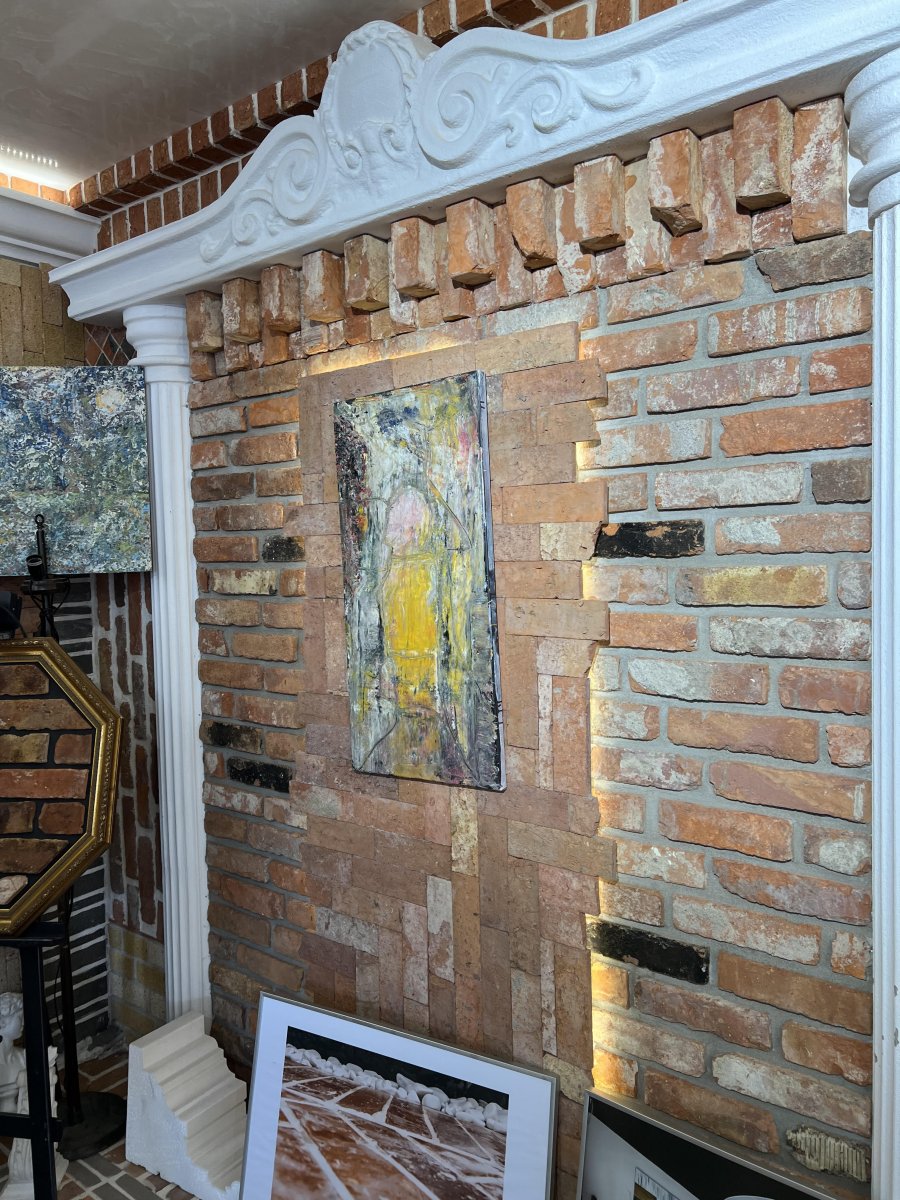
From a technical standpoint, a brick mounted on a building's facade must not absorb too much water to prevent dampness. Therefore, the water absorption margin, accepted in the construction sector for exposed bricks, is at most 12%.
Tests have shown that even old, recovered bricks fall within this margin. This is because they are very well fired.
Certainly, in this case, the question arises: If the price is half and the quality is at least as good, why isn't everyone using such materials? Where is the hesitation? Where is the challenge? Where is the problem?
The challenge lies in the level of education, believes Codruț Girboan. People, whether individuals or developers or business people, still don't understand or accept that waste, recovered from trash, can be a valuable, useful, and even aesthetic resource, unique in its beauty.
That's precisely why, because there is this need for education, Asociația Soluții Sustenabile (Sustainable Solutions Association), with the support of Stratos and Eco Synergy, launched the campaign "Second Life. Circular Economy Models," to concretely show how the transition from a linear economy to a circular economy can be made and to inspire others.
This is episode 2 of the campaign, dedicated to the Construction sector, with a 9% impact on GDP in 2020.
And here you can watch episode 1 of the campaign, dedicated to the Waste sector, which actually impacts all other sectors of the economy: From Waste to Raw Material, Through Innovation