Skip to content
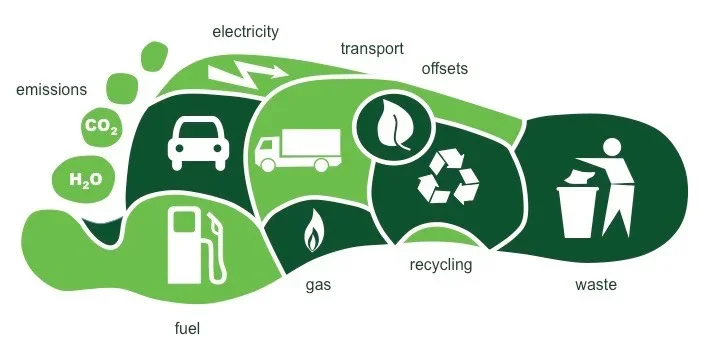
Carbon footprint illustrated with symbols for electricity, transport, recycling, and waste.

CO2 Footprint. From Theory to Practice

29 June 2026 online eEco și Stratos 0 lei

Carbon Footprint and Its Impact

share

The carbon footprint of companies. Moving from theory to practice.

After discussing in the June 17 webinar about:

- the global, European, and Romanian context regarding the need to reduce carbon emissions
- the purpose of measuring the CO2 footprint
- business advantages and challenges
- the technical method of measurement
- concrete examples from Romania of companies that have performed this calculation and the results obtained
- the most common measures recommended after calculating the footprint
- the most frequent mistakes in the measurement process

On July 2, at 14:00, we are organizing a demo on measuring the carbon footprint for companies.

We will use the newest measurement tool on the market, StratoScope, developed by the consultancy firm Stratos according to GHG Protocol methodologies.

During the demo event, you can see live how such a digital footprint calculation application works. What type of data is entered, how, what results are obtained, and what we do with these results. What we compare them with and what measures we take after knowing the verdict.

Additionally, we can include in this practical exercise at least one live experiment with your real data from the company.

We look forward to seeing you!

Registration link: Here


Frequently Asked Questions

What is a carbon footprint?

A carbon footprint measures the total greenhouse gas emissions caused directly or indirectly by an individual, organization, event, or product. It is typically expressed in terms of carbon dioxide equivalents (CO2e).

Why is it important to measure the CO2 footprint?

Measuring the CO2 footprint helps organizations understand their impact on the environment and identify areas for improvement. It also provides insights into potential cost savings and enhances corporate responsibility.

What are common challenges businesses face when measuring their carbon footprint?

Businesses often encounter challenges such as data collection difficulties, lack of standardized measurement methods, and the complexity of calculating emissions across various operations. These obstacles can hinder accurate assessments.

What tools are available for measuring carbon footprints?

One of the latest tools for measuring carbon footprints is StratoScope, developed according to GHG Protocol methodologies. This tool allows companies to input data and obtain results efficiently, facilitating better decision-making.

What should companies do after calculating their carbon footprint?

After calculating their carbon footprint, companies should analyze the results to identify reduction opportunities. Common measures include improving energy efficiency, adopting renewable energy sources, and implementing sustainable practices.

Subscribe to our newsletter

Be the first to learn about the latest sustainability news