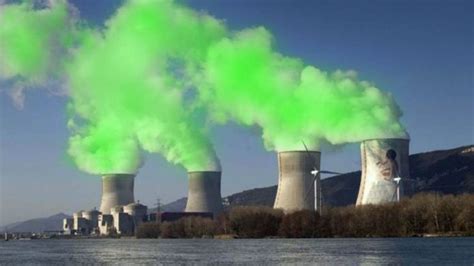
Green Smoke and Greenwashing
I didn't realize how big and serious the phenomenon of greenwashing is – where a company tries to appear greener, more eco-friendly, and more sustainable than it actually is – until the Kaufland Zero Waste campaign.
While trying to get an interview from the company or their agreement to participate in a public debate on responsible communication, I realized that too little is being said about this topic in Romania. Even though it impacts all of us.
It impacts us, the people, because we want to lead healthy lives, but we no longer know which products and services to trust. It seems everything is "green" in one way or another, and a misleading advertisement can lead us to unnecessary spending. Thus, to losses. Everything presented as eco is more expensive, but not everything presented as eco is truly eco, and therefore healthier for us.
It impacts companies because by making misleading claims, they risk not only losing their reputation, customers, and investors, but also very large fines. The European Commission has already proposed a directive to penalize false "green" claims.
It impacts investors because they too are starting to be held accountable for supporting, with their money, those companies and sectors that pollute the most.
So, I started a discussion aiming to clarify the following aspects:
- Why is the topic of greenwashing so important for the European Commission? What is the real danger?
What do companies that make misleading advertisements gain? And what do they stand to lose if caught?
How can companies that make misleading claims be held accountable before the directive in question appears?
How did a commendable initiative by Kaufland turn into a scandal?
What could Kaufland, other companies, and all of us learn from their experience?
What are the basic principles that any communicator should respect to avoid being accused of intentionally greenwashing?
What does the upcoming legislation look like?
How do we recognize greenwashing? How can ordinary people avoid becoming victims?
I called upon a sustainability specialist with over 20 years of experience in the field to clarify all these matters. With Vasile Lazăr's help, I turned the Kaufland campaign into a case study and presented at least five other examples of greenwashing:
- Brand greenwashing
Greenwashing through offsetting
Greenwashing through unfulfilled commitments
Greenwashing by presenting intentions as achievements in sustainability reports
Greenwashing through association and partnerships with certain NGOs or other credible entities
Greenwashing by shifting blame to the consumer
Some examples are presented with the incriminating advertisements for which companies have already been sued. Others have been completely removed from media. Only press articles about the lawsuits can be found, not the actual advertisements.
It's time for a new way of marketing. Simply because we have this great power, advertising, through which we can inform, educate, mobilize, and change mindsets, in the context of the climate crisis we are currently experiencing.
These are also the basic tools through which the Sustainable Solutions Association aims to contribute to change. The word and the image.
Let's use them responsibly!